


The mix of organic growth and targeted advertising for successful promotion in social networks is a strategy of effective influence.
The current state of business in the online space demands that companies carefully consider strategies for their presence on social media. Organic growth and targeted advertising are two primary strategies often utilized for audience engagement. However, in the pursuit of broad coverage and interactions, and the attempt to reduce budgets and expenses, we often forget about the "fundamentals" – the specific goals for which we employ a particular promotion tactic.
Beyond Idealism: Alongside the Realities of Organic Growth
Organic promotion requires a significant time investment and meticulous work in creating quality content, yielding results only after a considerable period. As is known, clients often lack patience, expecting outcomes "yesterday."
Furthermore, the policies of algorithms on social media are continually changing. These shifts can adversely affect organic reach, leading to spikes in the decreased visibility of your content.
Moreover, competitors don't remain stagnant: while you're building robust "organic connections" and loyalty with the audience, competition on social media keeps intensifying. Organic promotion becomes a challenge as businesses vie for audience attention, making it harder to stand out amid the significant competition.

In the realm of organic growth, success guarantees are limited. Even if you invest effort into creating engaging and high-quality content, results may be less predictable compared to paid strategies.
Nevertheless, utilizing organic promotion is essential because "organics" precisely fosters building loyal relationships, qualitative interaction, and lasting friendships. For businesses aiming to foster loyal customers, establish long-term relationships, and develop their brand, the strategy of organic growth remains the most effective.
Organic Growth in Social Media: Why It Matters and How to Use It
The contemporary world of social media is defined not only by the number of followers but also by the quality of their interaction. Organic growth, or natural growth that occurs organically, can prove to be more effective compared to targeted advertising in cases where you are building trust for the long term.
Authenticity and Audience Engagement:
Organic growth allows you to attract subscribers genuinely interested in your content. The natural development of the audience creates a stronger connection between the brand and consumers.
Trust and Authority:
Organic growth contributes to building trust with the audience. The brand becomes an authority in its field through organic interaction and quality content.
Business Sectors Where Organic Growth Should Be Utilized:
Creative Industries and Media: Photographers, artists, and writers can stand out in the world by using organic growth to popularize their creativity. For instance, photographers can share their unique works on social media platforms, capturing the attention of enthusiasts and establishing vigilant relationships with clients.
Microbusiness: Small businesses can benefit from organic growth to attract a local audience.

For example, cafes can actively engage on social media, sharing fresh photos of beverages and personal stories. This helps build a community of loyal customers genuinely interested in the company's products.
Expert and Educational Platforms: Bloggers, consultants, and educational platforms can use organic growth to expand their audience. For instance, business consultants can publish useful content and tips on their blogs or social media, showcasing their expertise and attracting new clients.
Targeted Advertising: Advantages and Effectiveness Alongside Organic Growth
Numerous studies and practical experiments affirm that targeted advertising has advantages over organic growth in terms of efficiency and the speed of achieving business goals.

Statistics speak volumes:
Research in the field of social media marketing confirms that targeted advertising provides significantly higher conversion rates compared to organic growth.
For instance, according to Facebook Business data, campaigns using targeted advertising can be up to 10 times more effective in achieving specific objectives, such as increasing sales or attracting new customers.
Targeted Advertising is Faster:
One of the main advantages of targeted advertising is its speed. While organic growth requires time to build an audience and create a favourable environment for the brand, targeted advertising can immediately catch the attention of customers already interested in your product or service.
Precision in Target Audience:

Targeted advertising allows you to precisely define your target audience.
By using various parameters such as age, location, interests, and purchasing behaviour, you can direct your ads to those who have the highest potential to become your customers.
Effectiveness for Different Businesses:
Targeted advertising is particularly effective for businesses operating in e-commerce, B2B, and services. In these industries, it is often crucial to quickly attract attention and generate conversions, achievable through the precise tuning and immediate impact of targeted advertising.
However, I consider the most effective approach to be a "mix" of organic and targeted strategies based on content and goals. Combining organic growth and targeted advertising allows companies to leverage the best of both worlds. Organic growth builds relationships and influences long-term success, while targeted advertising provides immediate impact and specific results. Ultimately, an effective social media strategy involves a smart combination of these approaches.
The Blend of Organic Growth and Targeting: Interaction and Effectiveness
The most effective strategy involves leveraging both approaches to achieve maximum results. Striking the right balance is crucial, and it depends on the specific business sector and the goals set.
Examples of companies successfully employing a mix of strategies:

Nike: Organic Content: Athlete stories. Targeted Advertising: Promotion of new sports collections.

Starbucks: Organic: Customer interaction. Targeted Advertising: Promotion of new beverages.

Coca-Cola: Organic Growth: Fan communities sharing stories. Targeted Advertising: Promotion of new flavors among specific consumer groups.

Zara: Organic Growth: Publications on fashion trends and interactivity. Targeted Advertising: Promotion of new collections among interested buyers.
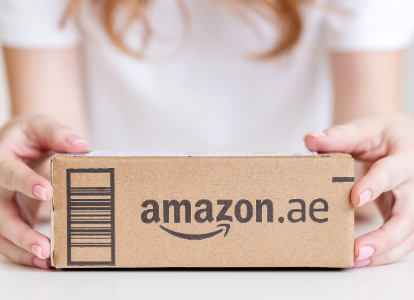
Amazon: Organic Growth: User reviews and tips on product usage. Targeted Advertising: Advertising special offers to subscribers.

Tesla: Organic Growth: Owner stories and their usage experiences. Targeted Advertising: Selling new models to an interested audience.

Netflix: Organic Growth: Behind-the-scenes stories of movie and series creation. Targeted Advertising: Advertising new releases to subscribers.

Google: Organic Growth: Blogs about new technologies and innovations. Targeted Advertising: Advertising new products to tech enthusiasts.
The high levels of interaction and swift results are why the "mix" of organic growth and targeted advertising is the most effective for many companies in social media. Successful companies are already utilizing this blend to attract and retain their customers, confirming its high effectiveness across various business sectors.

Who and what is behind the creation of successful international and Ukrainian companies? Do you want to know the "mirror side" of a brand?
Subscribe to our Telegram: @brandstory


 7875
7875