


In 2026, social media has evolved into a core infrastructure for the development of small and medium‑sized enterprises (SMEs) across Europe.
According to Eurostat, 78% of European SMEs actively use social platforms for marketing (source: Eurostat, Digital Economy and Society Report 2025). Meanwhile, 42% of EU‑based companies generate a significant share of their sales through social media channels (source: Eurostat, Use of ICT in Enterprises 2025).
This shift signals a new competitive reality: success no longer hinges on the size of a company’s advertising budge
Social Media as the New Trust Economy
Following the economic fluctuations of 2023–2025, European consumers have become more cautious and selective. Research by McKinsey shows that 60% of brand trust is now formed through social media interactions (source: McKinsey, European Consumer Pulse Survey 2025).
Key drivers include:
- a growing preference for authentic, creator‑driven content;
- video formats that create a sense of immediacy and transparency;
- influencer recommendations replacing traditional product reviews.
In France, Italy and Poland, local artisans and micro‑brands now generate up to 70% of their sales via Instagram and TikTok (source: Deloitte, SME Digitalization Index 2025).

TikTok and Instagram as Engines of Commerce
By 2026, TikTok has officially surpassed Instagram in shaping purchasing decisions among younger European consumers. According to Reuters, 63% of TikTok users have purchased a product after viewing content from a small brand (source: Reuters, TikTok Commerce Report 2025). Instagram remains dominant in categories such as handmade goods, beauty, fashion and home décor. Meta reports that 54% of EU consumers discover new brands through Reels (source: Meta Business Insights 2026).
Algorithms in 2026: Why Small Brands Are Winning
Social media algorithms have undergone a notable “democratization” shift. As reported by The Verge, platforms have reduced the influence of large advertising budgets and increased the weight of content that sustains viewer attention (source: The Verge, Social Media Algorithm Shift 2025).
This transformation means:
- small brands can achieve millions of views without paid promotion;
- behind‑the‑scenes content often outperforms polished commercial videos;
- authenticity has become a primary currency of digital influence.
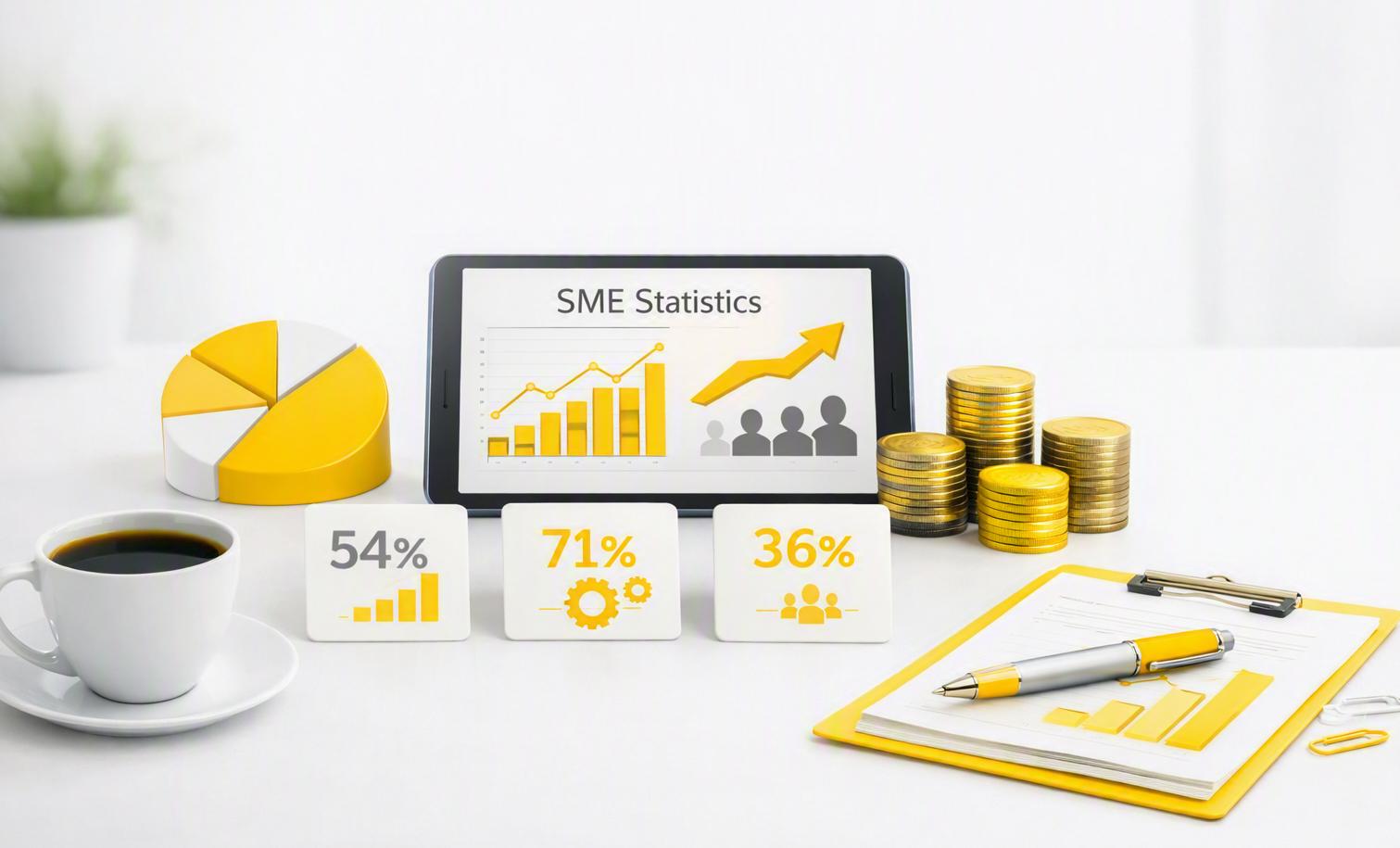
The Numbers Defining Europe’s SME Landscape in 2026
According to Meta Business Insights 2026:
- 54% of EU consumers discover new brands through Reels (source: Meta Business Insights 2026);
- 71% trust brands that show their production process (source: Meta, Trust & Transparency Report 2025);
- 48% of SMEs generate more than half of their revenue from social media (source: KPMG, SME Digital Commerce Study 2025);
- 36% of European entrepreneurs operate exclusively through social platforms (source: OECD, SME Digital Transformation 2025).
The Financial Times forecasts that by 2028, social media will become the primary sales channel for 60% of small businesses (source: FT, Europe Retail Outlook 2026).
Emerging Challenges: Competition, Content Saturation and EU Regulation
The European digital market is becoming increasingly competitive. Key challenges include:
- oversaturation of content across major platforms;
- tightening EU regulations on advertising and data usage (source: European Commission, Digital Services Act 2025);
- rapid expansion of AI‑generated content (source: PwC, AI in Marketing 2025).
Despite these pressures, SMEs remain the most adaptable segment of the market—quick to experiment, iterate and adopt new formats.

Why Social Media Has Become the Greatest Opportunity for SMEs
Social platforms have given SMEs unprecedented advantages:
- access to large audiences without traditional marketing budgets;
- the ability to build brand identity through storytelling rather than advertising;
- immediate customer feedback loops;
- scalable growth without major capital investment.
According to Bloomberg, SMEs that invest consistently in content grow three to five times faster than those relying on traditional channels (source: Bloomberg, Digital Growth Report 2026).
Social media has become the new infrastructure of European entrepreneurship. In 2026, SME success is defined by three core elements:
- content that evokes emotion;
- authenticity that builds trust;
- strategy that blends creativity with data‑driven insight.
Bloomberg projects that by 2030, social platforms will be the primary driver of SME economic growth across Europe (source: Bloomberg, Europe SME Forecast 2026).
The text was translated using artificial intelligence : Ukrainian version, French version, German version
The author’s opinion may not reflect the editorial policy. The author is responsible for the information provided.

Who and what is behind the creation of successful international and Ukrainian companies? Do you want to know the "mirror side" of a brand?
Subscribe to our Telegram: @brandstory


 1191
1191